Understanding Climate Change
Climate change refers to significant changes in global temperatures and weather patterns over time. While climate change is a natural phenomenon, scientific evidence shows that human activities, particularly the burning of fossil fuels, are currently driving an unprecedented rate of change.
The Science Behind Climate Change
Climate science involves understanding the Earth's climate system, which includes the atmosphere, hydrosphere, cryosphere, lithosphere, and biosphere. Researchers use models to predict future climate scenarios based on different greenhouse gas emission trajectories.

Melting Ice Caps
The rapid melting of ice caps is one of the most visible effects of climate change.
Global Initiatives
Various international agreements and initiatives aim to combat climate change. The Paris Agreement, for example, is a legally binding international treaty on climate change, with the goal of limiting global warming to well below 2 degrees Celsius.
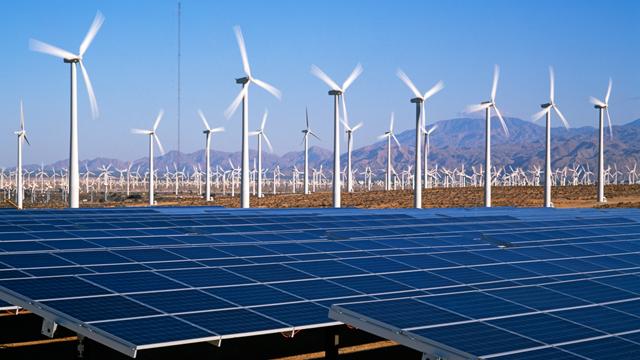
Renewable Energy
Investing in renewable energy sources such as wind, solar, and hydropower is crucial in reducing greenhouse gas emissions.
Individual Actions
Individuals can contribute to mitigating climate change by reducing energy consumption, supporting renewable energy projects, reducing waste, and advocating for policy changes.
Climate Change Education
Education and awareness are key to addressing climate change. By understanding the causes, effects, and solutions, people can make informed decisions and take action to reduce their carbon footprint.